Lifestyle measures
- Smoking cessation
- Alcohol abstinence
- Weight reduction
- Reduce dietary salt (Sodium) intake
- Stay physically active as much as possible
Medications
ARNI (Angiotensin Receptor-Neprilysin Inhibitor)
Sacubitril/valsartan is preferred over ACE inhibitors or ARBs to reduce cardiac workload and improve mortality.
Beta-Blockers (specific to heart failure)
Bisoprolol, carvedilol, or nebivolol are used to lower heart rate and improve heart function.
MRA (Mineralocorticoid Receptor Antagonist)
Cardiac devices
Some patients with heart failure develop abnormal heart rhythm (arrhythmia), which may be life-threatening. Implantation of an Automatic Implantable Cardio-Defibrillator (AICD) can prevent sudden death. In a select group of patients with heart failure who have ECG pattern of left bundle branch block, implanting a Cardiac Resynchronisation Therapy Defibrillator (CRT-D) may improve symptoms and prevent sudden death.
In advanced cases of heart failure, surgery to implant Left Ventricular Assist Device (LVAD) can allow a return to almost normal lifestyle.
Consult your doctor early if you have any of the following:
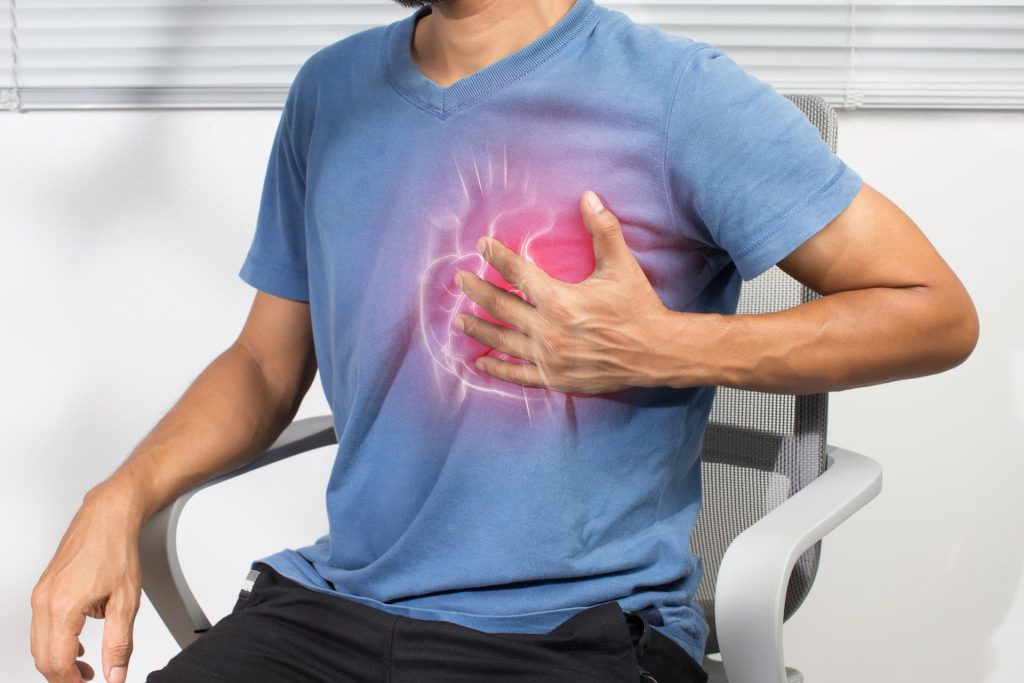
- Chest pain or heaviness
- Shortness of breath
- Palpitations or fainting spell
- New or worsening swelling
- Sudden weight gain
- Difficulty in performing usual activities due to tiredness or shortness of breath