
Ambulatory ECG Monitoring
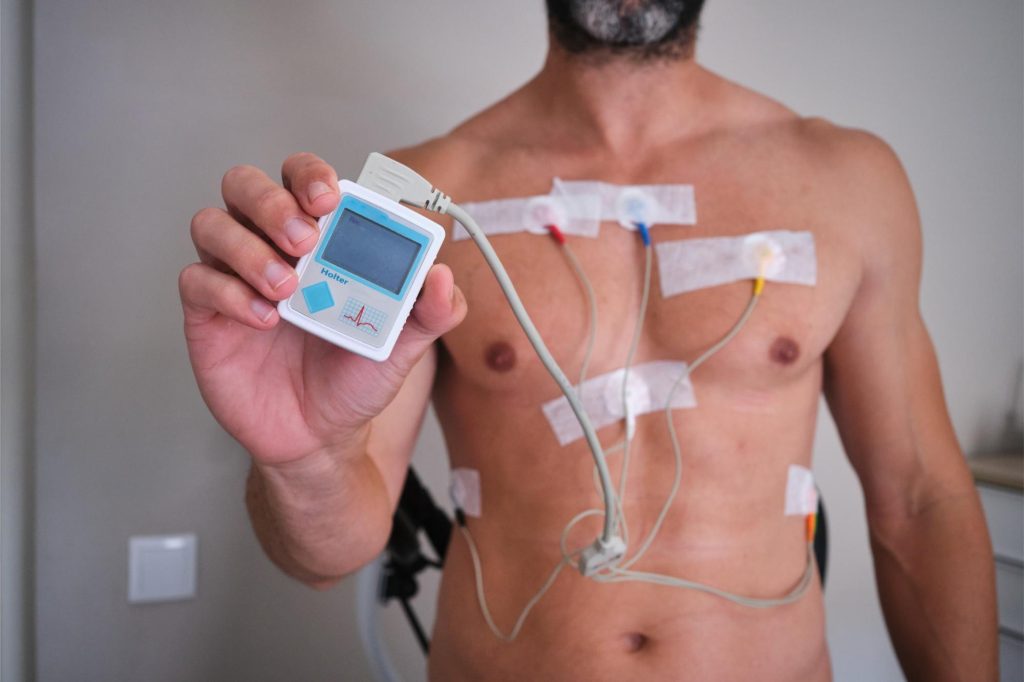
Ambulatory ECG monitoring is a test that continuously tracks your heart’s electrical rhythm during usual daily activities. Unlike a standard ECG performed briefly in a clinic, which records 10 seconds of the heart’s electrical signal, ambulatory ECG records continuously for extended periods. The duration of recording is usually between 1 to 7 days.
Ambulatory ECG monitoring is commonly used to diagnose or evaluate:
- Arrhythmia (abnormal heart rhythm), which may include
- Atrial fibrillation
- Bradycardia (slow heart rate)
- Tachycardia (fast heart rate)
- Unexplained palpitations, dizziness, or fainting
- Monitoring response to heart medications or pacemakers
Process
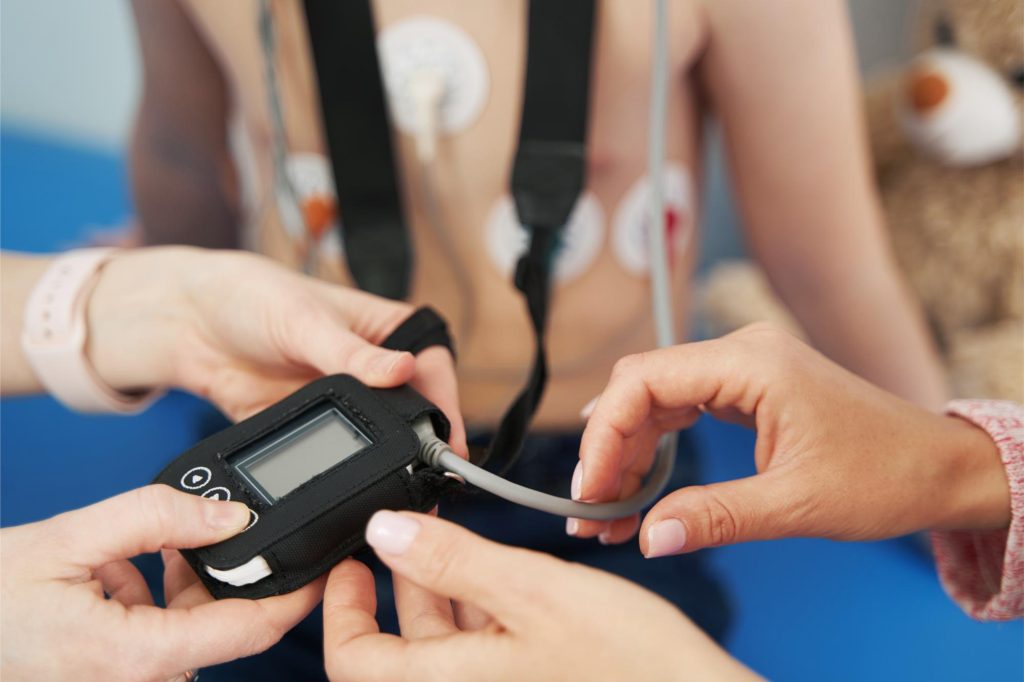
Following consultation with cardiologist, electrodes or patch are placed on the chest. The device is left on the chest during daily activities. You are encouraged to keep a symptom diary, in order to match your time of symptom with any abnormality recorded. Upon completion of recording, the device is returned to the clinic, for data to be downloaded for analysis. The results are usually available within a few days.
The device is usually water-resistant. It does not need to be removed during showers. It is not water-proof, and should NOT be worn when swimming.
Request an Appointment or Make an Enquiry
Whether you’re looking to book an appointment or need more information, we’re here to assist you. Reach out to request an appointment or make an enquiry, and our team will respond promptly to guide you further.